Questions we get asked
Can I specify this on a Canadian project today?
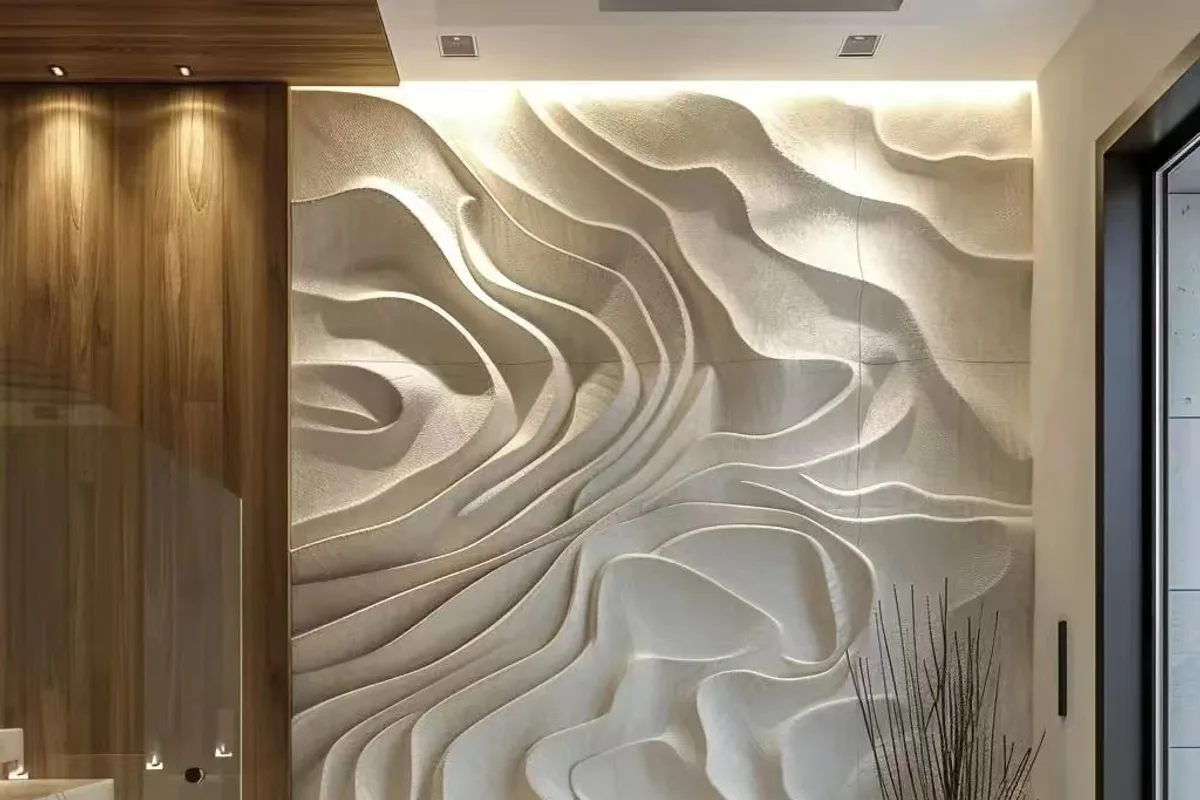
For landscape and site work in British Columbia — fences within bylaw height limits, garden features, planters, decorative site elements — yes. Those applications are governed by municipal zoning bylaws, not the BC Building Code. For walls, insulation and cladding, not yet: the product does not hold a Canadian evaluation, and would need either a CCMC evaluation or a per-project Alternative Solution accepted by the Authority Having Jurisdiction.
The material is rated A1. Does that mean it is non-combustible in Canada?
No, and this distinction matters. A1 is a classification under GB 8624, the Chinese standard. Canadian non-combustibility is determined by CAN/ULC-S114, and a GB result does not transfer. We expect the material to pass S114 — it is a fired inorganic ceramic with no organic content — but until that test is run, it is an expectation and not a claim.
Does exterior use trigger the full-scale wall fire test?
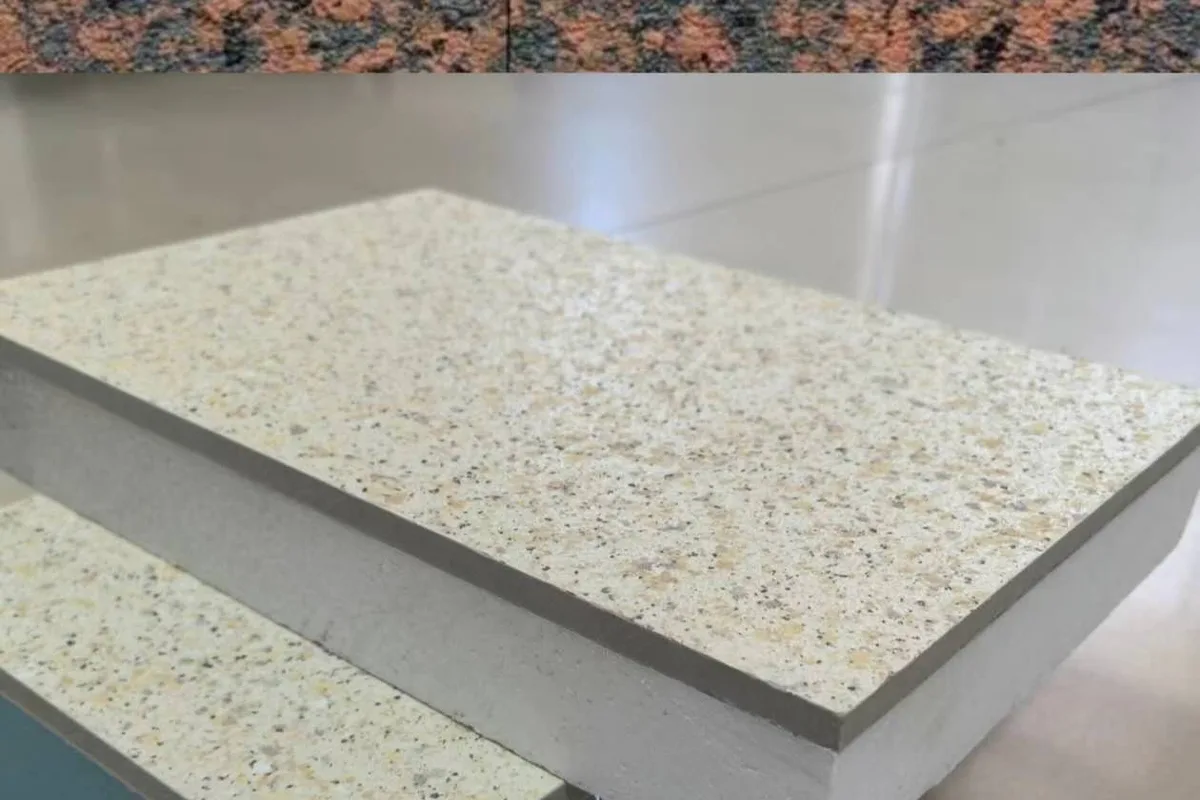
Possibly not, but the panel alone does not decide it. CAN/ULC-S134 addresses exterior walls that carry combustible cladding or other combustible components in buildings required to be of noncombustible construction. If the panel passes CAN/ULC-S114 and the wall assembly as actually built contains no other components that trigger those provisions, the S134 route may not be needed. Adhesives, coatings and sealants, water-resistive and air barriers, vapour barriers, gaskets, girts and thermal breaks all still have to be reviewed as part of the assembly. That is the real advantage an inorganic panel has over aluminium composite and foam plastic cladding — but it is an assembly question, not a panel question.
How does it compare to what is used now?
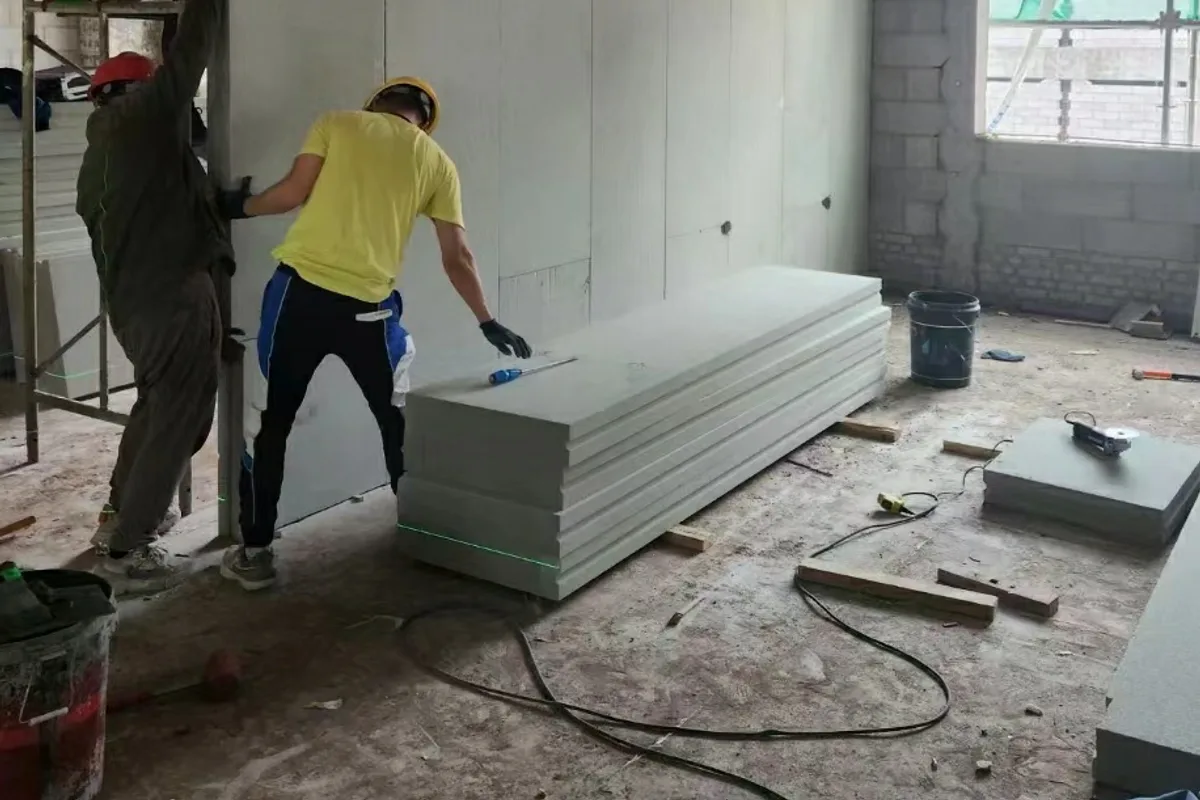
Against light wood framing it does not burn, rot, absorb water or host insects, and it holds a 43 dB sound reduction at 100 mm. Against EPS and polyisocyanurate it adds no fuel load and does not lose thermal performance when wet. Against mineral wool it does not slump or absorb water. The trade-offs are weight relative to foam plastics, freight cost from China, and — the real one today — the absence of Canadian approvals.
What does the compliance path actually involve?
CAN/ULC-S114 for material non-combustibility comes first, since it shapes everything downstream. Then CAN/ULC-S102 for surface burning; CAN/ULC-S101 assembly testing where the wall is a fire separation, run on the wall as actually built rather than on a bare panel; thermal performance re-tested to a method the evaluator accepts; freeze–thaw and moisture durability for the coastal BC climate; and engineered anchorage for wind and seismic. A laboratory in Coquitlam, BC lists CAN/ULC-S102 along with ASTM E136 and CAN/ULC-S114, so the first tests can be run locally rather than shipped to the US. The final combination of tests is settled with CCMC and the laboratory against the intended use, not decided in advance.
What are you looking for from partners?
Projects. Test data is only worth commissioning against a real application with real code requirements. If you are an architect, developer or contractor with a project where this material would help, we would rather talk to you early — you bring the project and its constraints, we bring the material, the technical data and the engineering support.
Where does the material come from, and what is it made of?
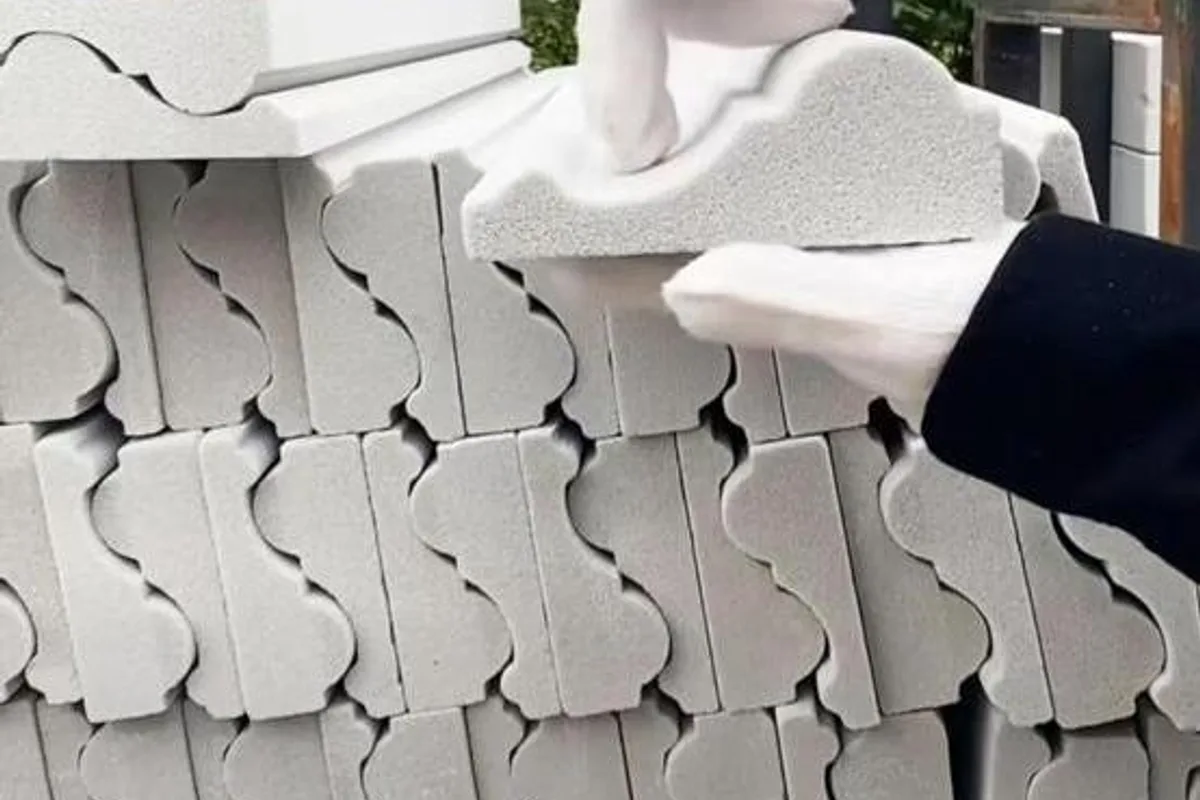
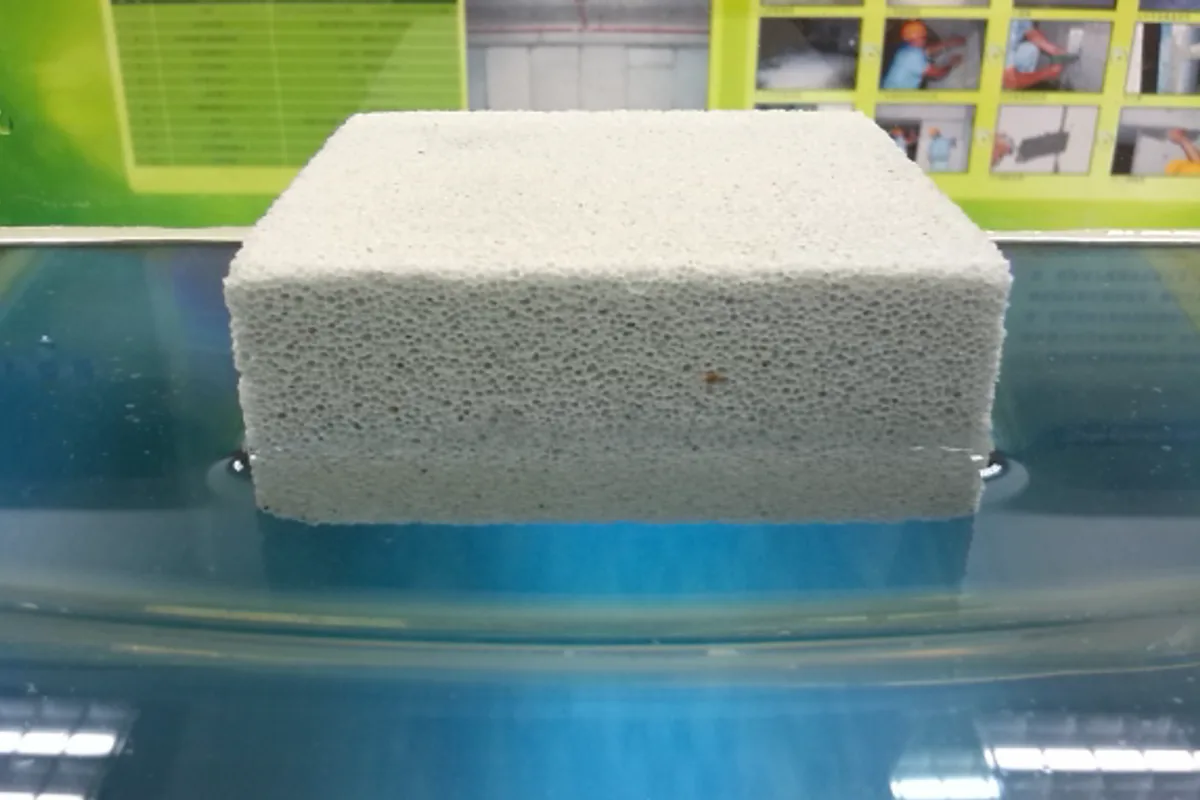
It is produced in China from ceramic polishing sludge, stone-processing waste and comparable mineral feedstocks, ball-milled, dosed with an inorganic foaming agent and fired at 1100–1150 °C for around ten hours. The gas released during firing expands the melt; as it cools, the voids are retained as closed cells.